
Keeping Your HVAC System Healthy Starts With a Clean Filter
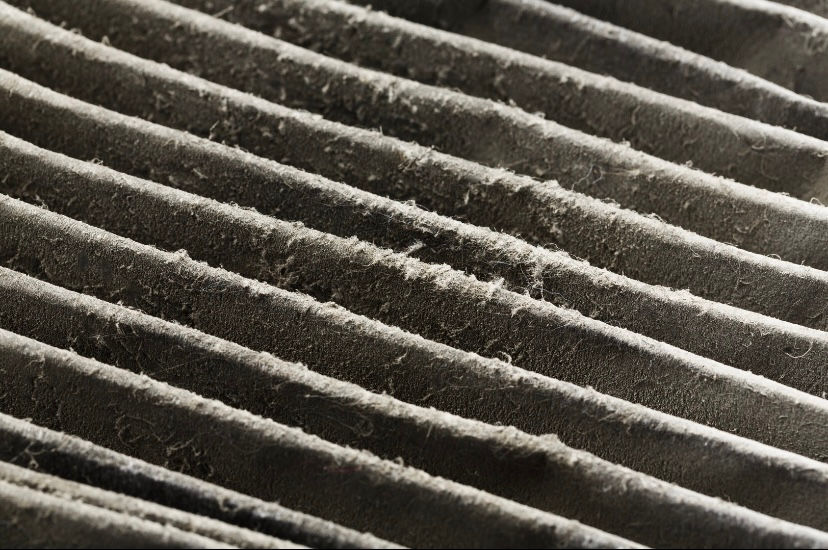
Your HVAC system is one of the hardest-working pieces of equipment in your home. It runs during extreme heat, cold, and everything in between, often for hours at a time. Yet one of the most important things you can do to protect it is also one of the simplest: regularly changing your air filter and keeping the system clean.
This small maintenance task plays a major role in your comfort, energy costs, air quality, and the overall lifespan of your HVAC system.
Why air filters matter
Your air filter is designed to catch dust, dirt, pet hair, and other airborne particles before they enter your HVAC system. Every time your system runs, air is pulled through the filter and then distributed throughout your home.
When the filter is clean, air flows easily.
When the filter is dirty, airflow becomes restricted — and that’s where problems begin.
Restricted airflow forces your system to work harder to heat or cool your home. That extra strain increases wear on critical components like the blower motor, evaporator coil, and compressor, leading to higher operating costs and a greater chance of breakdowns.
How dirty filters damage your system

A clogged filter can cause a wide range of issues, including:
• Higher utility bills due to longer run times
• Uneven temperatures and reduced comfort
• Frozen evaporator coils during summer
• Overheating and safety shutdowns during winter
• Shortened lifespan of major components
In many cases, expensive HVAC repairs can be traced back to something as simple as a neglected air filter.
Cleaner filters mean cleaner air
Your HVAC system doesn’t just control temperature — it directly affects the air you breathe. Dirty filters allow dust, pollen, and allergens to circulate through your home, which can worsen allergies, asthma, and other respiratory issues.
Regular filter changes help capture these particles before they enter your living space, improving indoor air quality and creating a healthier home environment.
How often should filters be changed?
There is no one-size-fits-all answer, but general guidelines include:
• Every 30 days for homes with pets, allergies, or heavy system use
• Every 60–90 days for average households
• More frequently during peak heating and cooling seasons
If you can’t see light through the filter, it’s time to replace it.
System cleanliness goes beyond the filter
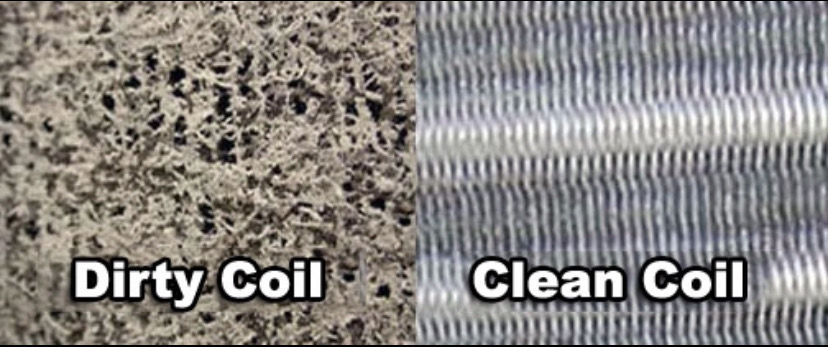
While filters are the first line of defense, keeping your entire HVAC system clean is just as important. Outdoor units should remain clear of leaves, grass, and debris so they can operate efficiently. Indoor components such as coils, blowers, and drain lines should be inspected and cleaned as part of routine professional maintenance.
Preventative maintenance helps catch small issues early, improves efficiency, and reduces the risk of unexpected breakdowns.
The bottom line
Changing your HVAC filter and keeping your system clean is one of the easiest and most cost-effective ways to protect your home comfort system. It saves energy, improves air quality, reduces repair costs, and extends the life of your equipment.
As an HVAC educator and contractor, I’ve seen countless systems fail prematurely due to neglected maintenance. A few minutes of care on a regular basis can save thousands of dollars over the life of your system.
Take care of your HVAC system, and it will take care of you.

Comments